All Categories

FPV Electronics > Camera & GPS
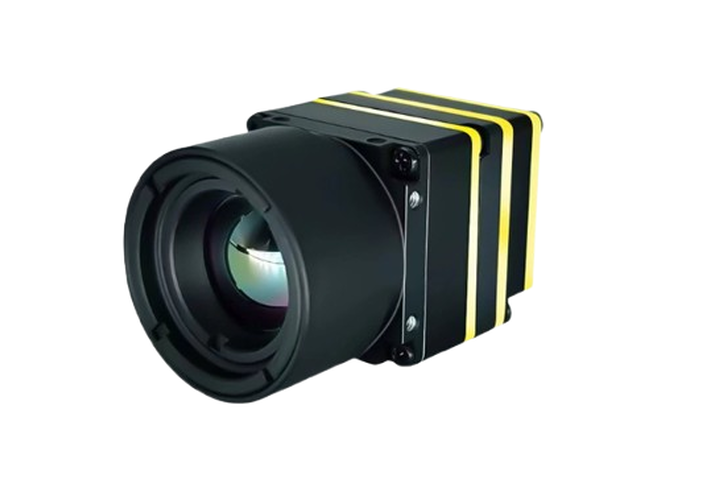
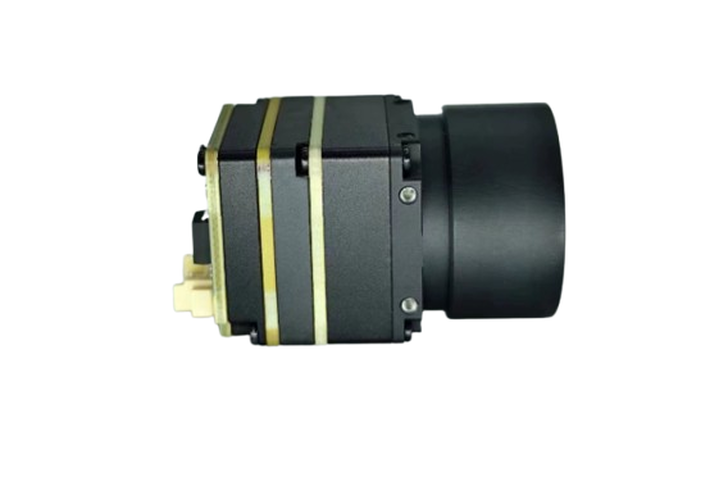
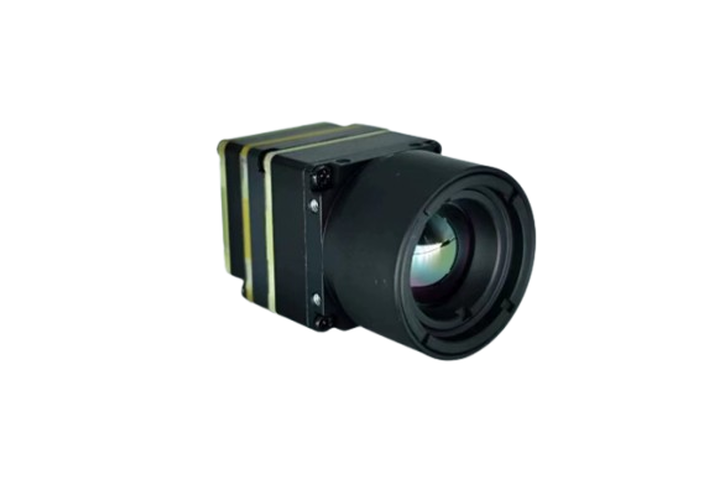
Outdoor thermal imaging core modules integrate uncooled microbolometer detectors with ruggedized packaging for field deployment in harsh environments. These compact units enable real-time temperature mapping and anomaly detection across military, industrial, and ecological applications. Engineered with IP67-rated enclosures, extended thermal operating ranges (-40°C to +80°C), and low-power architectures (<1W typical), they support integration into drones, surveillance systems, and handheld devices for all-weather monitoring:cite[1]:cite[3]:cite[8].
| Parameter | Specification |
| Detector Type | Uncooled VOx/Amorphous Silicon Microbolometer |
| Resolution | 384×288 (SmartCor384, FPV 384); 640×512 (Nano Ⅱ, D843); 640×480 (TC688) |
| Pixel Pitch | 12μm (Nano Ⅱ, FPV 384); 17μm (D8X3, TC688, SmartCor384) |
| Thermal Sensitivity | ≤40mK (FPV 384, SmartCor384); ≤45mK (Nano Ⅱ); ≤60mK (TC688) |
| Spectral Range | 7.5–14μm (TC688); 8–14μm (D8X3, Nano Ⅱ, FPV 384) |
| Frame Rate | 50/60Hz (TC688, D8X3); 50Hz (SmartCor384); 25Hz/50Hz selectable (Nano Ⅱ) |
| Startup Time | <3s (TC688, SmartCor384); 10s (D8X3) |
| Characteristic | Specification |
| Dimensions | 21×21×15mm (Nano Ⅱ):cite[2]:cite[3]; 38×38×20.5mm (SmartCor384):cite[8]; 44.5×44.5×39.5mm (TC688):cite[6] |
| Weight | ≤11.5g (Nano Ⅱ):cite[3]; ≤23g (FPV 384):cite[4]; ≤50g (SmartCor384):cite[8]; ≤100g (TC688):cite[6] |
| Ingress Protection | IP67 (SmartCor384, lens included):cite[8]; IP54/IP67 optional (Others) |
| Operating Temp. | -40°C to +80°C (FPV 384):cite[4]; -40°C to +60°C (Standard):cite[1]:cite[8] |
| Vibration Resistance | 4.01g random (Nano Ⅱ):cite[3]; 4.3g sine (TC688, SmartCor384):cite[6]:cite[8] |
| Shock Resistance | 80g/4ms (Nano Ⅱ):cite[3]; 100g/6ms (TC688):cite[6]; 200g/11ms (SmartCor384):cite[8] |
• Lens Options: 9mm/13mm/19mm fixed (Nano Ⅱ):cite[3]; 9.7mm (FPV 384):cite[4]; 35–150mm motorized zoom (TC688):cite[6]
• FOV: 26.46°×19.81° (FPV 384):cite[4]; 16.3°×12.3° (D843):cite[1]; 19°–3.9° adjustable (HP-TRC)
• Focus: Laser-assisted (High-end); Motorized preset (TC688):cite[6]; Autofocus (SmartCor384):cite[8]
• Power Input: 4.5–5.5VDC (Nano Ⅱ):cite[3]; 5V±10% (TC688):cite[6]; 2.8–5.5VDC (SmartCor384):cite[8]
• Power Consumption: <0.6W @5V (Nano Ⅱ):cite[3]; ≤0.7W (FPV 384, SmartCor384):cite[4]:cite[8]; ≤1.5W (TC688):cite[6]
• Video Output: PAL/NTSC analog + BT656/LVDS digital (Standard); IPC network video (SmartCor384):cite[8]; USB/GMSL (Nano Ⅱ):cite[3]
• Control Interface: RS232/RS485 (D8X3, TC688):cite[1]:cite[6]; UART 3.3V (Nano Ⅱ):cite[3]
• Algorithms: IVE image enhancement (TC688):cite[6]; Digital Detail Enhancement (Nano Ⅱ):cite[3]; Non-Uniformity Correction (All)
• Color Palettes: 15+ modes (Iron Red, Fusion, Rainbow, etc.):cite[4]:cite[8]
• Functions: Electronic zoom (1–8×), AGC, isotherm, high-temp alarm:cite[1]:cite[8]
• Crosshairs: Adjustable reticle overlay (SmartCor384):cite[8]
• Thermal Analytics: Point/line/area温差测量 (5 points, 4 lines, 2 areas):cite[6]
• UAV Payloads: Nano Ⅱ (11.5g) for micro-drones; FPV 384 (23g) for aerial inspection:cite[3]:cite[4]
• Robotic Platforms: SmartCor384 IP67-rated for outdoor rovers:cite[8]
• Perimeter Security: TC688 with 50Hz video for border/forest fire detection:cite[6]:cite[1]
• Industrial Sites: D8X3 series (-40°C operation) for oil/gas pipeline monitoring:cite[1]
• Handheld Scanners: SmartCor384 <0.7W for battery-powered tools:cite[8]
• Helmet-Mounted Systems: Lightweight Nano Ⅱ for firefighting/rescue ops:cite[3]