

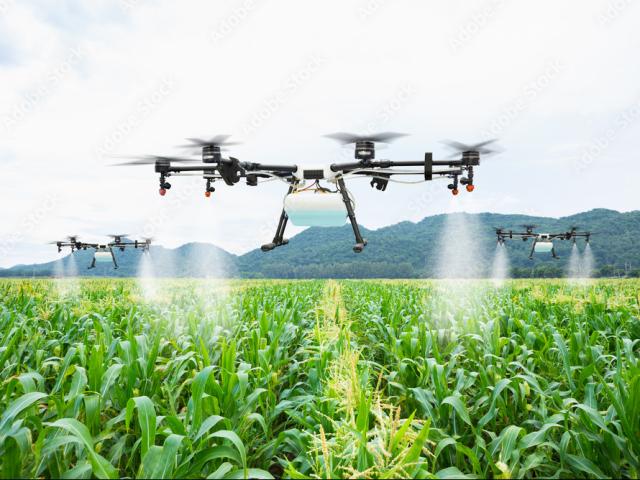
Agricultural Drone Spraying Solutions 2025: Complete Guide to Precision Farming
Revolutionize your farming operation with precision drone technology that cuts chemical use by 30% while boosting yields
The agricultural drone market is exploding, projected to reach $8.5 billion by 2026 as farmers worldwide adopt precision spraying technology. Whether you're managing 50 acres or 5,000, drone spraying solutions offer unprecedented efficiency, cost savings, and environmental benefits. This comprehensive guide covers everything from equipment selection to ROI calculation for modern farming operations.
🚀 Why Farmers Are Switching to Drone Spraying
• 90% Reduction in water usage compared to traditional methods
• 30-50% Less pesticides and fertilizers through targeted application
• 10X Faster coverage than manual spraying (100 acres/day possible)
• 0 Soil Compaction unlike heavy tractors
• Data Collection simultaneous crop health monitoring
Case Study: Iowa soybean farm increased yields by 18% while reducing herbicide costs by $37/acre
📊 Agricultural Drone Comparison 2025
| Model | Tank Capacity | Coverage/Day | Key Features | Best For |
|---|---|---|---|---|
| DJI Agras T40 | 40L | 350 acres | Active Phased Array Radar, dual pumps | Large-scale row crops |
| XAG V40 | 20L | 250 acres | Co-axial rotor design, AI recognition | Orchards & vineyards |
| DJI Agras T20P | 20L | 180 acres | Foldable design, 7m spraying width | Medium farms |
| HanHe H6 | 25L | 200 acres | Hybrid gas-electric, 6 rotors | Rugged terrain |
🎯 Precision Technology Breakdown
1. AI-Powered Spraying Systems
• Computer Vision: Identifies weeds vs crops in real-time
• Variable Rate Technology: Applies chemicals only where needed
• Obstacle Avoidance: 360° sensors for trees and power lines
2. Mapping & Planning Software
• Field Mapping: Creates 3D terrain maps with elevation compensation
• Autonomous Routes: Plans optimal flight paths avoiding obstacles
• Progress Tracking: Real-time monitoring of coverage areas
3. Spray System Technology
• Ultrasonic Sensors: Maintains consistent height above crops
• Centrifugal Nozzles: Produces uniform droplet size (80-150 microns)
• Pump Systems: Dual diaphragm pumps for consistent flow rate
📈 ROI Calculator: Is Drone Spraying Worth It?
| Cost Factor | Traditional | Drone Spraying | Savings |
|---|---|---|---|
| Labor (per acre) | $8.50 | $2.00 | $6.50 |
| Chemicals (per acre) | $22.00 | $15.40 | $6.60 |
| Water (per acre) | $3.50 | $0.35 | $3.15 |
| Equipment Maintenance | $4.25 | $1.80 | $2.45 |
| Fuel/Energy | $5.75 | $0.90 | $4.85 |
| Total per Acre | $44.00 | $20.45 | $23.55 |
| Based on 500-acre corn operation: Annual savings = $11,775 |
🌱 Crop-Specific Spraying Guides
Row Crops (Corn, Soybeans, Wheat)
• Altitude: 2-3 meters above canopy
• Swath Width: 6-8 meters
• Speed: 5-7 m/s
• Nozzle Type: Extended range (110-150 micron)
Orchards & Vineyards
• Altitude: 1.5-2.5 meters (adjust for tree height)
• Swath Width: 4-6 meters
• Speed: 3-4 m/s
• Nozzle Type: Anti-drift (80-110 micron)
Rice Paddies
• Altitude: 1-2 meters above water
• Swath Width: 5-7 meters
• Speed: 4-6 m/s
• Nozzle Type: Fine spray (150-200 micron)
⚠️ Regulatory Compliance & Safety
Certification Requirements
• FAA Part 107 (Commercial License)
• State Agricultural Certification
• Chemical Application License
• Drone Registration (required for >55 lbs)
Safety Protocols
• Buffer Zones: 50+ feet from waterways
• Wind Limits: <10 mph for spraying operations
• Personal Protective Equipment: Respirator, gloves, goggles
• Emergency Procedures: Rinse kits and spill containment
🚜 Important: 28 states require specific ag drone operator licenses - check local regulations!
🛠️ Implementation Timeline
Phase 1: Research & Planning (2-4 weeks)
• Field assessment and mapping
• Crop and chemical analysis
• Regulatory compliance check
• Budget and ROI calculation
Phase 2: Equipment Selection (1-2 weeks)
• Drone and accessory purchase
• Software setup and training
• Insurance and licensing
Phase 3: Deployment (1 week)
• Test flights and calibration
• Staff training
• Initial spray operations
Phase 4: Optimization (Ongoing)
• Data analysis and adjustment
• Maintenance schedule
• Technology upgrades
❓ Agricultural Drone FAQ
Q: What's the average cost per acre for drone spraying?
A: $15-25/acre depending on crop type and chemical costs - 40-60% savings vs traditional methods.
Q: How many acres can one drone cover per day?
A: 150-350 acres with professional equipment and proper battery management.
Q: What training is required for operators?
A: FAA Part 107 license, state ag certification, and manufacturer-specific training (3-4 weeks total).
Q: Can drones spray in windy conditions?
A: Maximum 10 mph wind for precision spraying - higher winds cause drift and uneven coverage.
Q: What's the lifespan of agricultural drones?
A: 3-5 years with proper maintenance - batteries last 1-2 seasons depending on usage.
💰 Financing & Incentive Programs
• USDA EQIP: Up to 50% cost sharing for precision ag technology
• State Grants: 28 states offer ag tech modernization grants
• Dealer Financing: 0-3% APR available through manufacturers
• Lease Programs: $1,500-3,000/month for complete systems
Ready to Transform Your Farming Operation?
Drone spraying isn't just technology - it's the future of sustainable agriculture. Start with a field assessment and pilot program to see the benefits firsthand.
📞 Free Consultation: Speak with Our Ag Drone Experts
📊 ROI Calculator: Custom Savings Estimate
🎓 Training Programs: Get Certified
Data based on 2025 USDA reports and manufacturer specifications. Actual results may vary by operation.
{{ commentCount }} Comments
Loading comments...
{{ comment.user.fullname }}
No comments yet. Be the first to comment!