
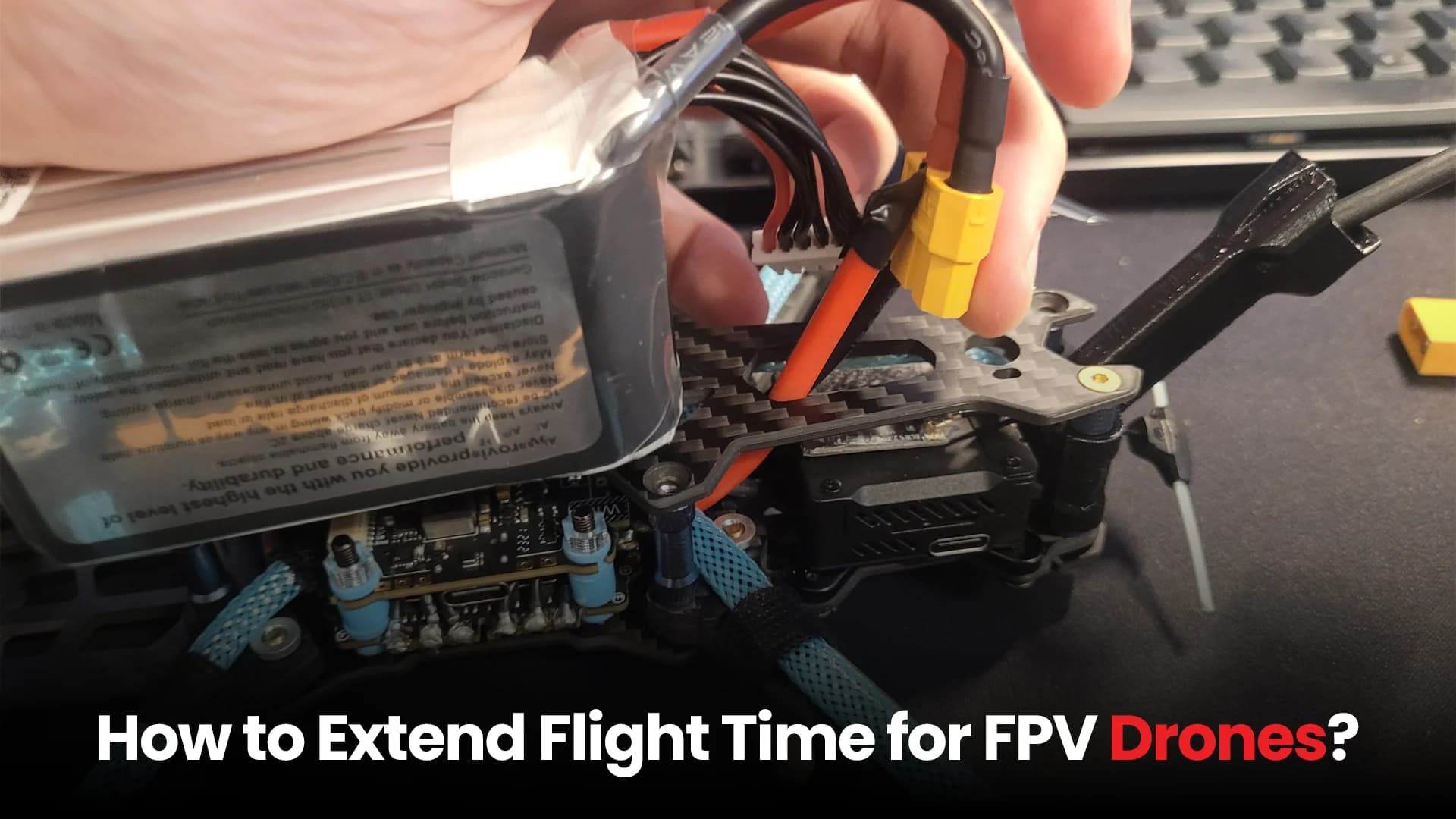
Extending FPV LiPo Battery Life: Best Practices for Charging, Storage, and Care
FPV drones unlock incredible possibilities, but their performance hinges on one critical component: the Lithium Polymer (LiPo) battery. A poorly maintained battery not only cuts your flight time short but can become a safety hazard. Mastering proper LiPo care is non-negotiable for every pilot. This definitive guide details the best practices for charging, storing, and caring for your FPV LiPo batteries, ensuring you get maximum cycles, performance, and safety from your investment.
Understanding Your FPV LiPo Battery
Before diving into practices, know your battery. A LiPo cell has a nominal voltage of 3.7V. Common configurations are 1S (3.7V), 4S (14.8V), and 6S (22.2V). Key ratings include Capacity (mAh, indicating energy storage) and C-Rating (discharge capability). These batteries are sensitive; they dislike being over-discharged, over-charged, physically damaged, or stored incorrectly. Treating them well directly translates to longer life.
Phase 1: Safe and Smart Charging Practices
Charging is the most critical routine. A mistake here can be catastrophic.
Use a Quality Balance Charger: Never use a "dumb" charger. Invest in a reputable balance charger designed for LiPo batteries. It charges each cell individually, ensuring all cells reach the same voltage—a fundamental requirement for health and safety.
Always Charge at 1C: The golden rule. Charging at 1C means using a current equal to the battery's capacity. For a 1500mAh battery, charge at 1.5A. For a 1100mAh, charge at 1.1A. This rate is the optimal balance between speed and battery longevity. Avoid fast charging at higher C-rates unless absolutely necessary and your battery explicitly supports it.
Never Leave Charging Batteries Unattended: Always charge on a non-flammable surface like a LiPo safety bag or a bat-safe box, and be present. If a battery begins to swell or smoke, you must be able to react immediately.
Set the Correct Cell Count and Voltage: Double-check that your charger is set for the correct battery type (LiPo) and cell count (e.g., 4S). An incorrect setting can lead to dangerous overcharging.
Charge to Storage Voltage if Not Flying Immediately: This is crucial. A fully charged or fully depleted LiPo should not sit for more than a few hours. If you don't plan to fly within 24 hours, charge or discharge your batteries to Storage Voltage (3.80V - 3.85V per cell).
Phase 2: Mastering Flight and Discharge
How you use the battery directly impacts its lifespan.
Set a Conservative Low-Voltage Cutoff: Use your OSD or flight controller to set a voltage warning and cutoff. Never drain your batteries below 3.5V per cell under load. A safe resting voltage after a flight should be around 3.7V per cell. Consistently over-discharging to lower voltages causes irreversible damage and capacity loss.
Monitor Battery Temperature: Feel your batteries after a flight. They should be warm, not hot. Excessive heat is a primary killer of LiPo chemistry. Allow batteries to cool completely before charging.
Avoid High Throttle Immediately After Takeoff: A cold battery pushed hard can experience voltage sag and damage. Fly gently for the first 30 seconds to let the pack warm up.
Balance Your Power System: An overloaded power system (e.g., too large props for the motor KV) forces the battery to discharge at a very high amperage, generating heat and stress. Ensure your drone's setup is within the battery's continuous C-rating capability.
Phase 3: The Art of Proper Storage
Long-term storage is where many pilots unknowingly degrade their batteries.
The Storage Voltage Rule is Sacred: As emphasized, ALWAYS store your LiPo batteries at 3.80V - 3.85V per cell. Storing them fully charged for weeks causes them to swell and lose capacity rapidly. Storing them fully depleted will permanently kill them.
Use Your Charger's Storage Mode: All good balance chargers have a "Storage" or "Save" function. This mode will automatically charge or discharge each cell to the perfect storage voltage (usually 3.85V). Make this your default routine after a flying session.
Store in a Cool, Dry Place: Ideal storage temperature is between 10°C and 25°C (50°F - 77°F). Avoid damp, hot locations like sheds or car trunks. A climate-controlled room is best.
Use a Non-Conductive, Fire-Resistant Container: Store your batteries in a LiPo safety bag or a dedicated metal/ceramic storage box. This mitigates risk and protects the batteries from physical damage.
Phase 4: Routine Inspection and Maintenance
Proactive care prevents failures.
Perform Regular Visual Inspections: Before and after each flight, check for:
• Swelling/Puffing: Any bulging indicates damage. Retire the battery safely.
• Physical Damage: Look for punctures, dents, or cracked casing.
• Wire and Connector Integrity: Check for loose or frayed balance leads and main power leads.
Check Internal Resistance (IR): Many advanced chargers can measure internal resistance (in milliohms, mΩ) per cell. A healthy cell has low, balanced IR across all cells. A rising IR or a significant imbalance between cells (e.g., one cell 5mΩ higher than others) signals a failing pack.
Balance Your Packs Regularly: Don't just rely on the balance lead during charging. Periodically, run a full balance charge cycle to ensure all cells are perfectly equalized. This is especially important after heavy flying sessions.
End-of-Life and Safe Disposal
Even with perfect care, batteries degrade.
Know When to Retire: Retire a battery if it shows significant puffing, one cell is consistently lower than others by more than 0.1V after charging, capacity has dropped over 20%, or internal resistance has increased dramatically. Flying a damaged battery risks in-flight failure and fire.
Dispose of Responsibly and Safely: Do not throw LiPos in the trash. To dispose, first fully discharge the battery to 0V. This can be done using a specific LiPo discharger, a light bulb, or submerging in salt water for several days (check local regulations). Once completely dead, take it to an electronics recycling center or battery disposal facility.
Advanced Tips for the Enthusiast
• Break In New Packs: For a new battery, consider a gentle break-in cycle: charge at 1C, then fly at a moderate pace for the first 2-3 cycles. This can help condition the internal chemistry.
• Manage Connector Temperature: After a flight, feel your main power connector (e.g., XT60). If it's very hot, it may need resoldering or cleaning to reduce resistance.
• Label Your Batteries: Use tape to number your batteries and log their cycles. This helps you rotate them evenly and track performance over time.
Conclusion: Consistency is Key
Extending your FPV LiPo battery life is not about one magic trick. It's about consistent, disciplined application of these best practices. By charging correctly at 1C, never storing batteries at full charge, avoiding over-discharge, and performing regular inspections, you will dramatically increase the lifespan, performance, and safety of your batteries. This discipline saves you money, maximizes your airtime, and protects your gear. Integrate these steps into your flying ritual and enjoy the rewards of reliable, long-lasting power for countless flights to come.


{{ commentCount }} Comments