
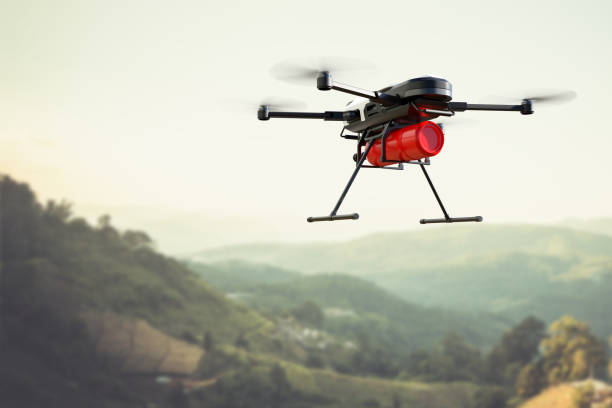
FPV Cinematic Drone Shooting Solutions: The Ultimate Guide
Introduction to FPV Cinematic Drones
FPV (First-Person View) cinematic drone shooting has revolutionized aerial videography, offering breathtaking perspectives and dynamic footage that was once impossible to achieve. This immersive technology allows operators to see exactly what the drone's camera captures in real-time, enabling precise control and creative freedom. Whether you're a professional filmmaker, content creator, or industrial inspector, understanding FPV cinematic solutions can elevate your visual storytelling to new heights.
What Are FPV Cinematic Drones?
FPV cinematic drones specialize in capturing smooth, high-quality footage while flying through complex environments. Unlike traditional drones that focus primarily on stable hovering, these systems are designed for fluid movement and precise control during motion. The "cinematic" aspect refers to their ability to produce footage with professional-quality stabilization, color grading, and artistic composition suitable for film productions, commercials, and high-end content creation.
What sets them apart from racing FPV drones is their emphasis on camera quality and stable footage rather than pure speed. While they maintain the agility of FPV systems, they incorporate advanced gimbals, higher-resolution sensors, and sophisticated stabilization technologies to ensure buttery-smooth results.
Key Components of FPV Cinematic Systems
FPV Drones
FPV cinematic drones come in various sizes and configurations optimized for different shooting scenarios. From lightweight models for indoor shooting to robust systems for outdoor adventures, these drones balance power, flight time, and payload capacity.
Camera Systems
The heart of any cinematic drone is its camera. Modern FPV systems feature sophisticated imaging capabilities:
• High-Resolution Sensors: 4K and even 6K capabilities for crystal-clear footage
• Advanced Stabilization: Both mechanical and electronic stabilization systems
• Low-Light Performance: Enhanced sensors for shooting in various lighting conditions
• Flexible Frame Rates: Slow-motion capabilities up to 120fps or higher
FPV Goggles and Transmission
The viewing and transmission system is crucial for real-time monitoring:
• High-Resolution Displays: Crystal-clear video feeds with minimal latency
• Long-Range Capability: Reliable connections over significant distances
• Comfortable Design: Ergonomic designs for extended shooting sessions
Advanced FPV Shooting Techniques
Mastering Camera Movements
Cinematic FPV relies on smooth, intentional camera movements:
• The Dolly Zoom Effect: Creating dramatic perspective shifts
• Orbiting Shots: Circling subjects for dynamic reveals
• Top-Down Reveals: Vertical movements that create stunning introductions
• Rail Slides: Horizontal tracking shots for smooth scene transitions
Flight Mode Optimization
Understanding different flight modes enhances creative possibilities:
• Normal Mode: Ideal for beginners and stable shots
• Sport Mode: Balanced speed for dynamic sequences
• Manual Mode: Full creative control for experienced pilots
Environmental Integration
Professional techniques for working with surroundings:
• Natural Framing: Using environmental elements to frame subjects
• Leading Lines: Incorporating architectural and natural lines
• Foreground Elements: Adding depth and dimension to shots
Professional Applications
Film and Television Production
FPV drones enable shots that were previously impossible or prohibitively expensive, navigating through tight spaces and creating seamless continuous shots.
Real Estate and Architecture
Breathtaking property overviews that provide comprehensive visual tours, following pathways and flowing through spaces.
Event Coverage
Dynamic perspectives for weddings, sports events, and celebrations, capturing unique angles that immerse viewers in the action.
Commercial and Industrial Use
Detailed inspection capabilities and promotional content creation for various industries.
Essential Safety Practices
Pre-Flight Planning
• Location assessment and hazard identification
• Weather evaluation and compliance checking
• Regulatory requirements understanding
In-Flight Safety Protocols
• Maintaining visual line of sight
• Battery management and monitoring
• Emergency procedure preparation
Post-Production Workflow
Color Grading Techniques
• Utilizing flat color profiles for maximum flexibility
• Creating consistent color matching across shots
• Developing signature looks and presets
Advanced Stabilization
• Software-based stabilization refinement
• Crop planning and composition adjustment
• Smoothing out minor imperfections
Sound Design Integration
• Environmental sound replacement
• Foley effects and movement synchronization
• Musical scoring for emotional impact
Equipment Selection Guide
Essential Gear
• FPV drones suited to specific use cases
• Multiple batteries for extended sessions
• ND filters for exposure control
• Protective carrying cases
Professional Additions
• Backup systems for critical shoots
• Multiple camera options
• Advanced monitoring equipment
Future Trends in FPV Cinematography
Emerging Technologies
• AI-assisted flying and obstacle avoidance
• Improved low-light capabilities
• Extended flight time solutions
• Automated cinematic movement patterns
SEO Optimization for FPV Content
Keyword Strategy
Targeting relevant long-tail keywords and creating comprehensive content that addresses user search intent across different skill levels.
Content Optimization
• Descriptive filenames and alt text for images
• Structured content with clear headings
• Regular updates with latest information
Conclusion
FPV cinematic drone shooting represents the perfect convergence of technical precision and artistic expression. By mastering the equipment, techniques, and safety practices outlined in this guide, content creators can capture stunning aerial footage that stands out in today's competitive visual landscape.
The continuous evolution of FPV technology promises even more creative possibilities, making now the perfect time to explore this exciting field. With proper planning, practice, and the right equipment, anyone can transform ordinary scenes into extraordinary cinematic experiences that captivate audiences and elevate visual storytelling to new heights.
Whether you're beginning your FPV journey or seeking to enhance existing skills, the key to success lies in understanding both the technical aspects and the artistic potential of FPV cinematic drone shooting.


{{ commentCount }} Comments