
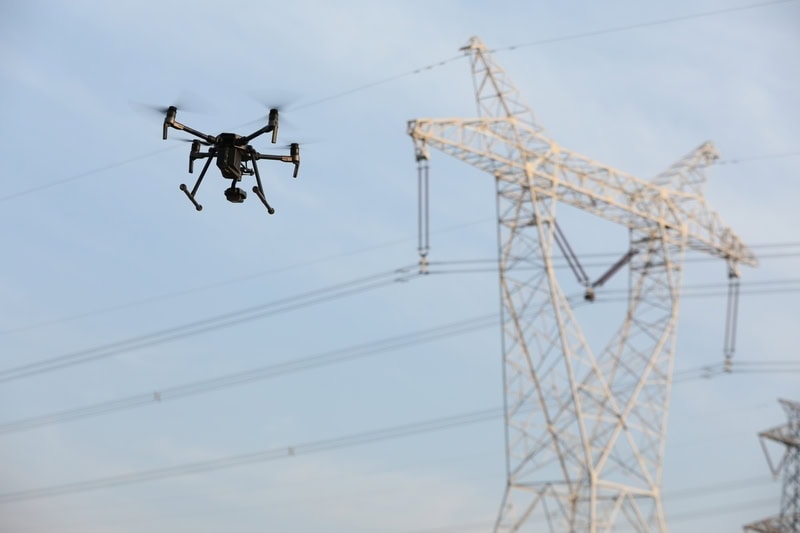
FPV Drone Tower Inspection: The Complete Guide to Safe and Efficient Infrastructure Assessment
Tower inspection represents one of the most challenging and high-risk tasks in infrastructure maintenance. From communication towers and wind turbines to electrical transmission structures, traditional inspection methods often involve significant safety risks, operational downtime, and substantial costs. First Person View (FPV) drone technology is revolutionizing this field, offering unprecedented access, efficiency, and data quality that's transforming how we monitor and maintain vertical infrastructure.
Why FPV Drones Are Perfect for Tower Inspections
Overcoming Traditional Inspection Challenges
Conventional tower inspection methods face numerous limitations:
• Safety risks for personnel working at extreme heights
• Extended downtime during inspection periods
• Limited access to certain structural components
• High costs associated with specialized equipment and safety measures
• Inconsistent data quality due to human factors and accessibility issues
FPV drone technology addresses these challenges head-on, providing:• Zero-risk aerial assessment by keeping inspection teams safely on the ground
• Minimal operational disruption with inspections completed in hours instead of days
• Complete structural access to all tower components, including hard-to-reach areas
• Cost savings up to 70% compared to traditional inspection methods
• Consistent, high-quality data through standardized flight procedures and advanced imaging
Technical Advantages of FPV Systems
FPV drones offer specific technical benefits for tower inspection:
• Superior maneuverability for navigating complex lattice structures and tight spaces
• Real-time HD visualization enabling immediate assessment and targeted data collection
• Precision flight control allowing stable positioning in challenging wind conditions
• Extended operational range covering entire tower structures in single flights
Essential FPV Drone Equipment for Tower Inspections
Drone Platform Selection
Choosing the right FPV drone is critical for successful tower inspections:
• 7-inch long-range platforms for large communication towers and wind turbines
• 5-inch agile systems for complex lattice structures and confined spaces
• Custom-built solutions optimized for specific inspection requirements and payload capacity
Critical Components and Payloads
Modern FPV inspection drones require specialized equipment:
• High-resolution cameras (20MP+) capable of capturing fine details and defects
• 10x optical zoom lenses for detailed remote assessment of specific components
• Thermal imaging sensors for identifying electrical faults and heat anomalies
• Laser rangefinders for precise distance measurement and defect sizing
• Obstacle avoidance systems with 360° sensor coverage for safe navigation
• Redundant power systems ensuring safe operation during extended missions
Transmission and Control Systems
Reliable communication is essential for tower inspection missions:
• Digital HD video systems providing crystal-clear real-time footage
• Long-range control links with 15km+ operational range
• Redundant communication protocols ensuring uninterrupted operation
• Ground station equipment for mission planning and real-time monitoring
Comprehensive Tower Inspection Methodology
Pre-Inspection Planning Phase
Successful tower inspections begin with thorough preparation:
Site Assessment and Risk Analysis
• Evaluate surrounding airspace and potential obstacles
• Identify emergency landing zones and contingency plans
• Assess weather conditions and wind patterns
• Establish communication protocols and safety procedures
Mission Planning and Route Optimization• Develop detailed flight paths covering all critical structural elements
• Program automated inspection routes for consistent, repeatable results
• Establish waypoints for manual inspection of specific components
• Define data collection parameters and imaging requirements
Operational Execution Phase
The inspection process follows a systematic approach:
Initial Structural Overview
• Conduct comprehensive visual assessment from multiple angles
• Identify potential problem areas requiring detailed inspection
• Document overall structural condition and environmental factors
• Establish baseline data for future comparison
Detailed Component Inspection• Tower foundation and base components: Check for corrosion, cracking, or settlement
• Structural members and connections: Inspect for deformation, loose bolts, or fatigue
• Antenna systems and mounts: Assess alignment, integrity, and mounting hardware
• Lightning protection systems: Verify proper installation and condition
• Access systems and safety equipment: Document condition of ladders, platforms, and railings
Advanced Data Collection Techniques• Close-range imaging for defect documentation and measurement
• Thermal scanning for electrical component assessment
• Video documentation of dynamic conditions and environmental factors
• 3D mapping for comprehensive structural modeling
Post-Inspection Analysis and Reporting
Transforming raw data into actionable insights:
Data Processing and Organization
• Catalog and tag inspection images with location data
• Process thermal data to identify anomalies and potential issues
• Generate 3D models and point clouds for structural analysis
• Compile video footage into comprehensive inspection documentation
Defect Identification and Classification• Critical defects: Immediate safety concerns requiring urgent attention
• Major defects: Significant issues needing scheduled repair
• Minor defects: Cosmetic or non-structural issues for monitoring
• Preventive maintenance items: Potential future concerns for tracking
Professional Reporting and Documentation• Generate comprehensive inspection reports with visual evidence
• Create maintenance recommendations and priority assessments
• Develop digital twins for ongoing structural health monitoring
• Establish baseline data for future comparative analysis
Real-World Applications and Case Studies
Communication Tower Inspection
A major telecommunications provider implemented FPV drone inspections across their 200-tower network, achieving:
• 85% reduction in inspection time (from 3 days to 4 hours per tower)
• Zero safety incidents by eliminating tower climbing requirements
• 40% cost savings compared to traditional inspection methods
• Improved data quality with detailed imagery of every structural component
Wind Turbine Inspection
FPV drones are revolutionizing wind turbine maintenance:
• Blade inspection without requiring turbine shutdown
• Internal component assessment through accessible openings
• Lightning damage detection using high-resolution thermal imaging
• Preventive maintenance through regular monitoring and trend analysis
Electrical Transmission Tower Assessment
Power companies benefit from FPV inspection technology:
• Insulator condition assessment without line de-energization
• Corona discharge detection using specialized imaging systems
• Structural integrity verification following extreme weather events
• Right-of-way monitoring for vegetation management and encroachment
Advanced Techniques and Best Practices
Mastering FPV Flight Skills for Tower Inspection
Successful tower inspection requires specialized piloting abilities:
Precision Maneuvering Techniques
• Station-keeping in challenging wind conditions
• Smooth, controlled movements around delicate components
• Complex navigation through lattice structures and confined spaces
• Emergency procedures and contingency management
Situational Awareness Development• Maintaining spatial orientation in complex 3D environments
• Monitoring multiple data streams simultaneously
• Anticipating and avoiding potential obstacles
• Managing flight parameters and battery conservation
Data Management and Analysis
Effective inspection outcomes depend on proper data handling:
Image and Video Processing
• Standardized naming conventions and metadata organization
• Quality control procedures for data verification
• Automated defect recognition using AI algorithms
• Comparative analysis against previous inspection data
Reporting and Communication• Clear, concise reporting formats for different stakeholders
• Visual documentation supporting maintenance recommendations
• Priority-based action plans with cost estimates and timelines
• Regulatory compliance documentation and certification support
Future Trends in FPV Tower Inspection
Emerging Technologies and Innovations
The future of tower inspection includes several exciting developments:
Automated Inspection Systems
• AI-powered flight planning and route optimization
• Automated defect detection and classification
• Predictive maintenance algorithms
• Integrated data management platforms
Advanced Sensor Integration• Hyperspectral imaging for material analysis
• LiDAR systems for precise 3D modeling
• Ultrasonic sensors for thickness measurement
• Environmental monitoring capabilities
Regulatory and Industry Developments• Standardized certification programs for inspection operations
• Integrated airspace management systems
• Industry-wide data standards and sharing protocols
• Insurance and liability frameworks for drone operations


{{ commentCount }} Comments